

How can America's hot water heaters break the U.S. market barriers and regional differences?
Project background
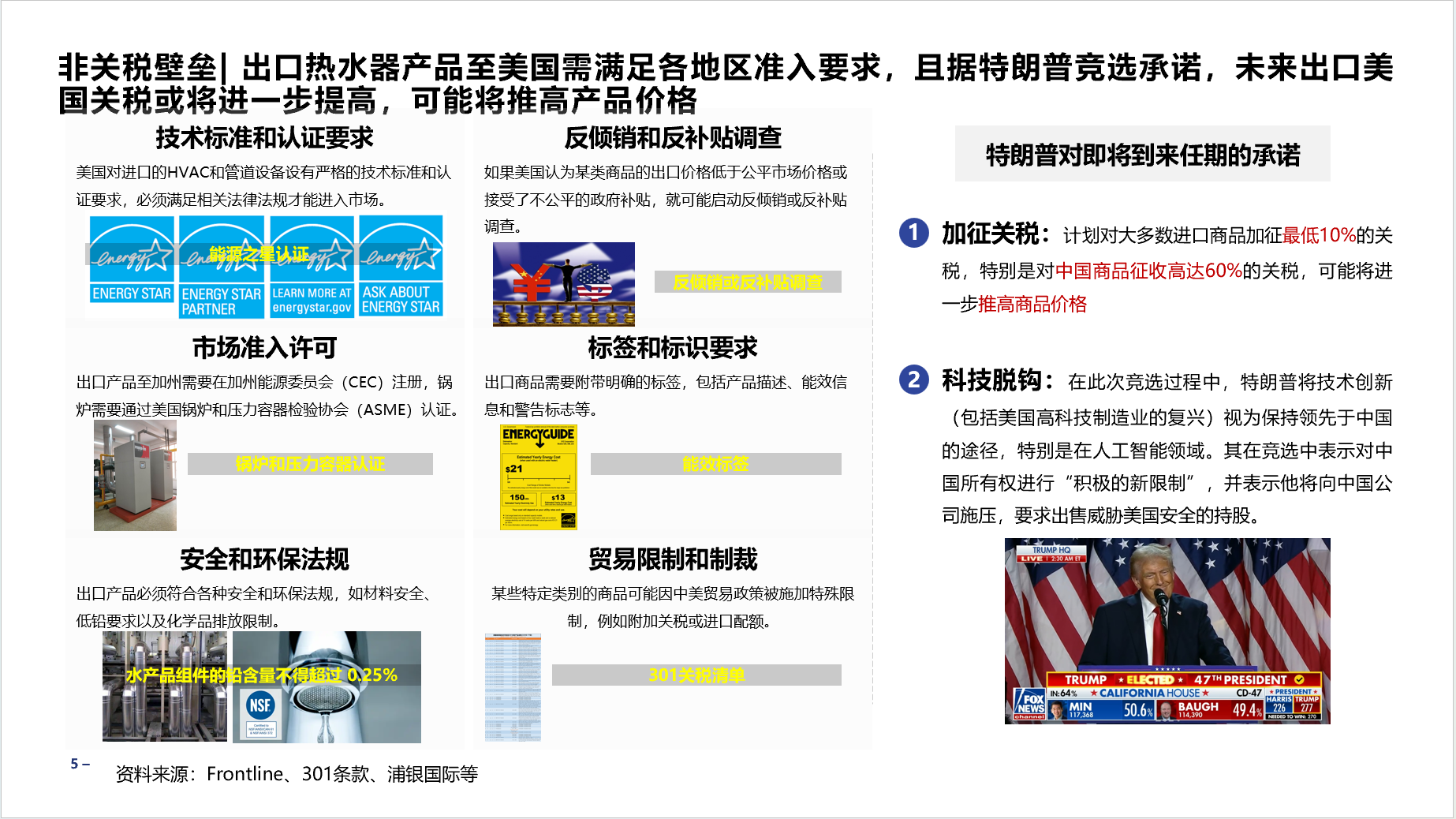
America, as a world-renowned power company, plans to expand the United States market for light-business water heaters, butFace multiple market barriers and uncertainties: Under the Sino-US trade policy, water heater-related products are generally subject to 25% or 7.5% tariffs, and US technical standards (such as Energy Star certification, NSF low lead requirements) and regional access rules (such as California CEC registration, ASME certification) are complicated; American local brands (A.O. Smith, Bailang, etc.) dominate the market. Regional economies, climates, and water quality vary greatly (such as high population density and energy-saving needs in the Northeast, and hard water problems in the Southwest). High inflation pushes up energy costs, and commercial users have strict requirements for energy conservation and adaptability. Midea urgently needs to systematically understand the market rules and formulate targeted entry strategies.
Phase I: Full-dimensional market pain point diagnosis
In-depth analysis of the four core pain points focused on through desktop studies:
- Trade barriers hurt.: Sort out the U.S. tariff policy (the difference in HTS code tax rates for boilers, tankless/storage water heaters), non-tariff barriers (technical certification, environmental regulations, anti-dumping risks), and the possible tariff escalation pressure caused by Trump’s campaign promises, and clarify cost control and compliance thresholds.
- The regional difference hurts.: Analyze the economic level, climate characteristics (such as the severe cold winter in the Northeast that requires high-efficiency energy-saving products), and water hardness (such as extremely hard water in the Southwest that is prone to scaling) in the five major regions of the United States (Northeast, Midwest, etc.), and identify differences in product demand in different regions.
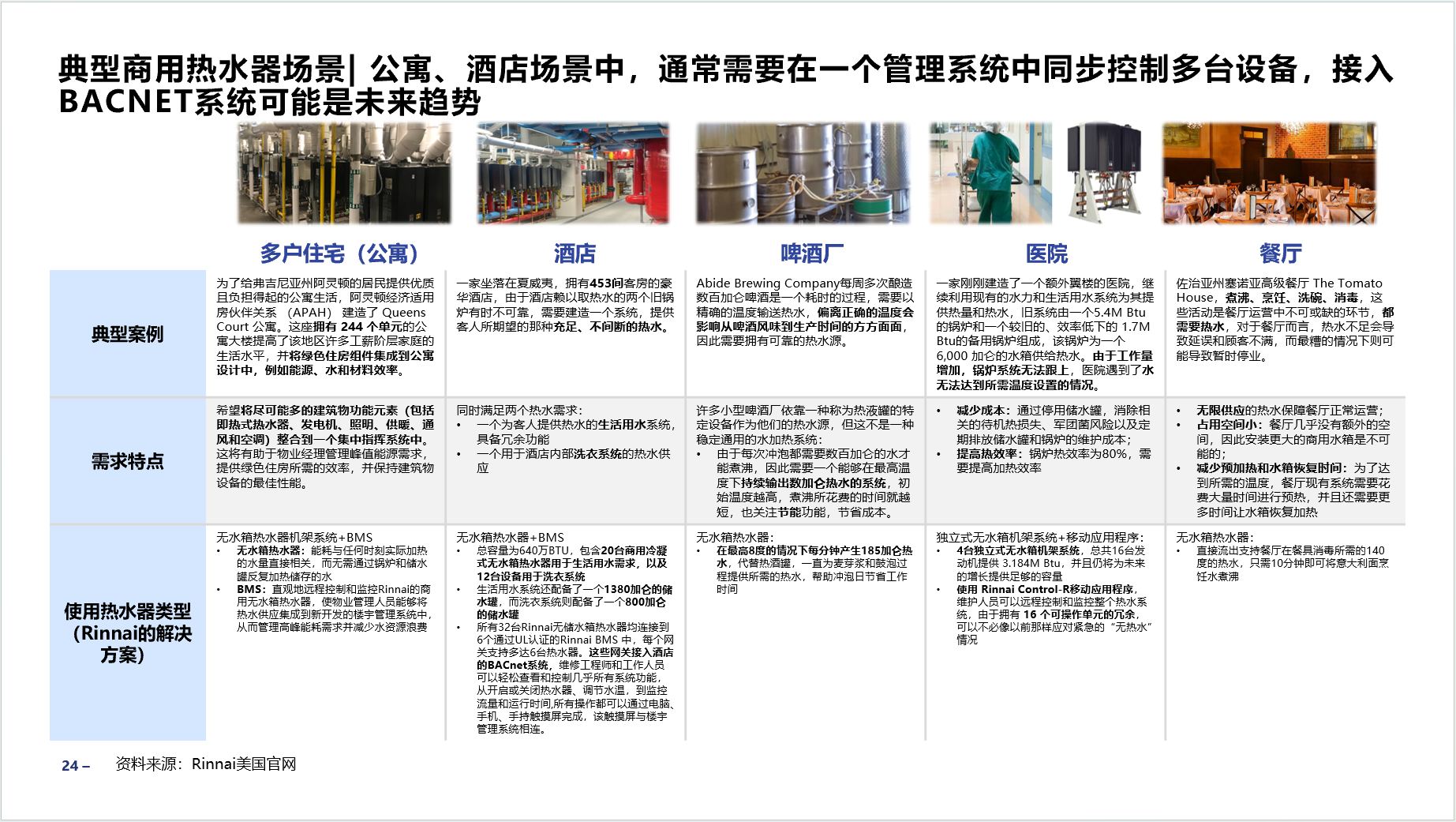
- Competition and demand in the market: Investigate the hot water demand characteristics of local brand layout (production base, market share), commercial scenarios (hotels, apartments, restaurants, etc.) (for example, hotels need to integrate centralized control of the BACnet system), and the priority demands of commercial users for energy saving and low-cost operations under high inflation.
Phase II: Framework for targeted solutions
Based on pain-diagnosing, a three-tiered framework for a three-tiered solution:
- Compliance and cost optimization: Regarding tariffs and certification, it provides dynamic tracking of trade policies, localized production transfer suggestions (referring to Haier and TCL’s Southeast Asian layout experience), and technical compliance lists (such as Energy Star, ASME certification processes).
- Area and scene fit: Customize product strategies by region (for example, the Northeast focuses on high-energy-saving gas water heaters, and the Southwest strengthens anti-scaling design), and provides system integration solutions (such as tankless water heater + building management system linkage) for hotels, apartments and other scenarios.
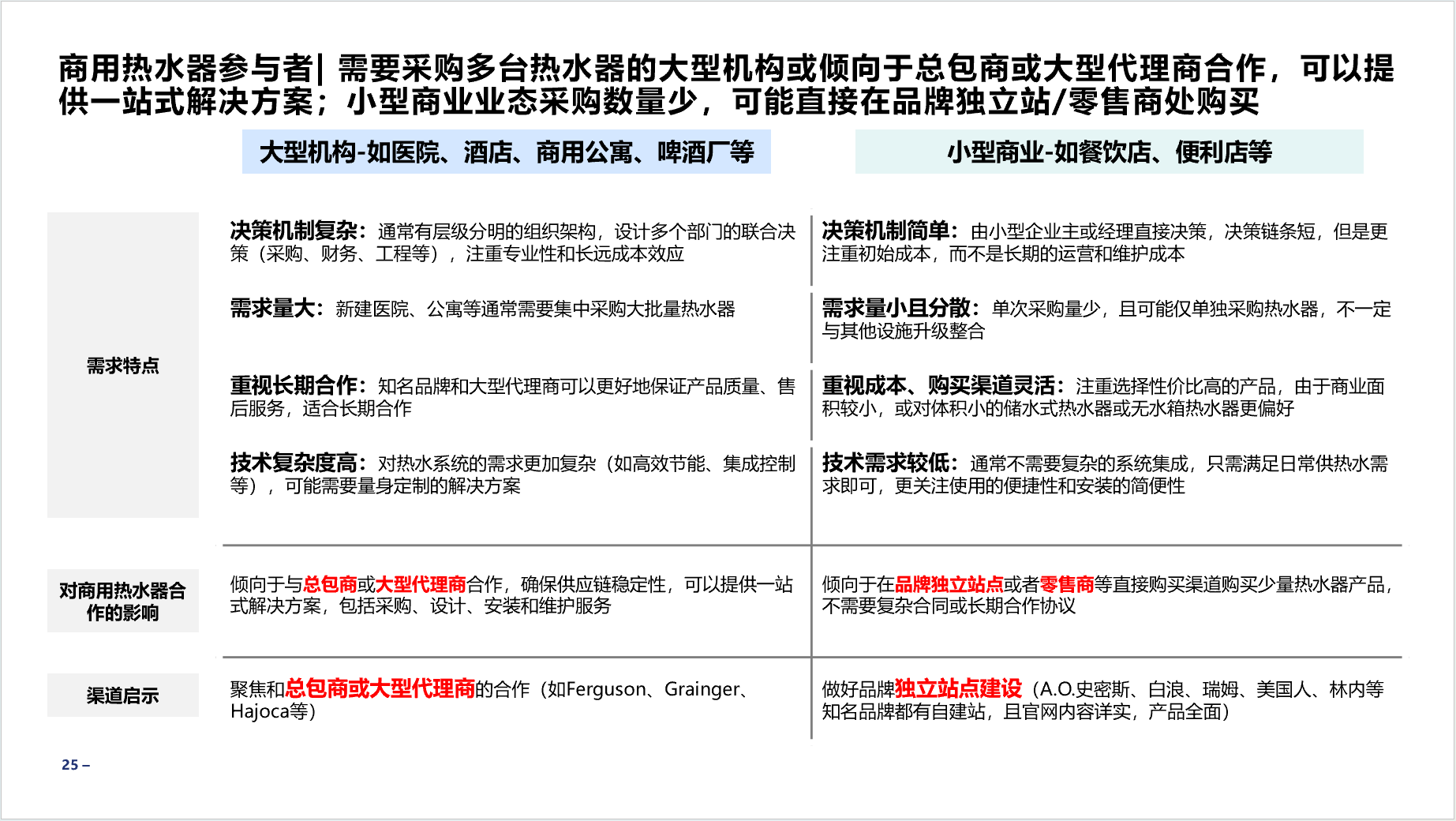
- Market Breakout Path: On the channel side, it is recommended to cooperate with large agents (Ferguson, Grainger) to cover large customers. On the brand side, it is recommended to strengthen the differentiated selling points of energy saving and intelligent control (such as BACnet integration), and leverage the Energy Star subsidy policy to reduce customer procurement costs.
Through a systematic market insinuation and strategy framework, effective and efficient access to the United States market for light-business water heaters balances compliance with market competitiveness.
