
How can it contribute to organizational development through satisfaction with regional business problems?
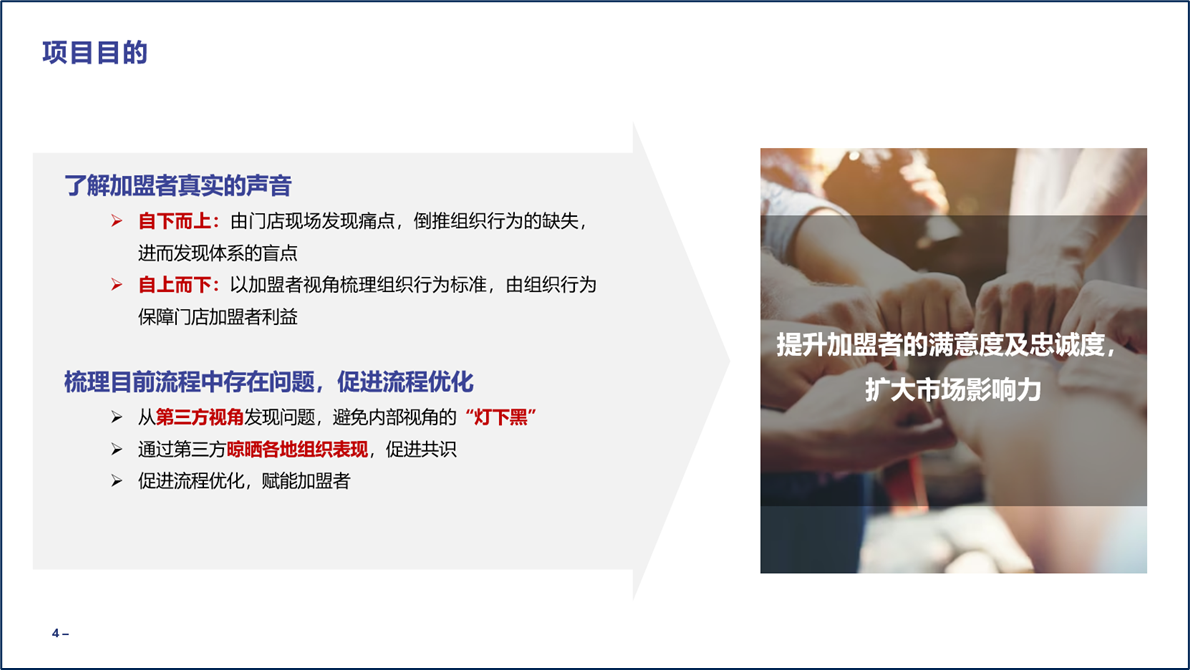
As China's leading Wandian brand, Meiyijia is facing the problem of organizational adjustment in a certain region, and the net promoter score (NPS) of regional customers has encountered severe challenges. With the intensification of market competition and the rise of local brands, Meiyijia found that it had operational challenges in multiple aspects such as price comparison, logistics and distribution, and marketing activities. It needed to identify and air problems from an external perspective to form organizational consensus and promote organizational change. This project explores the obstacles that affect the stability of store operations and the pace of brand expansion through franchisee satisfaction surveys.
Phase one: precision portraits, classification techniques
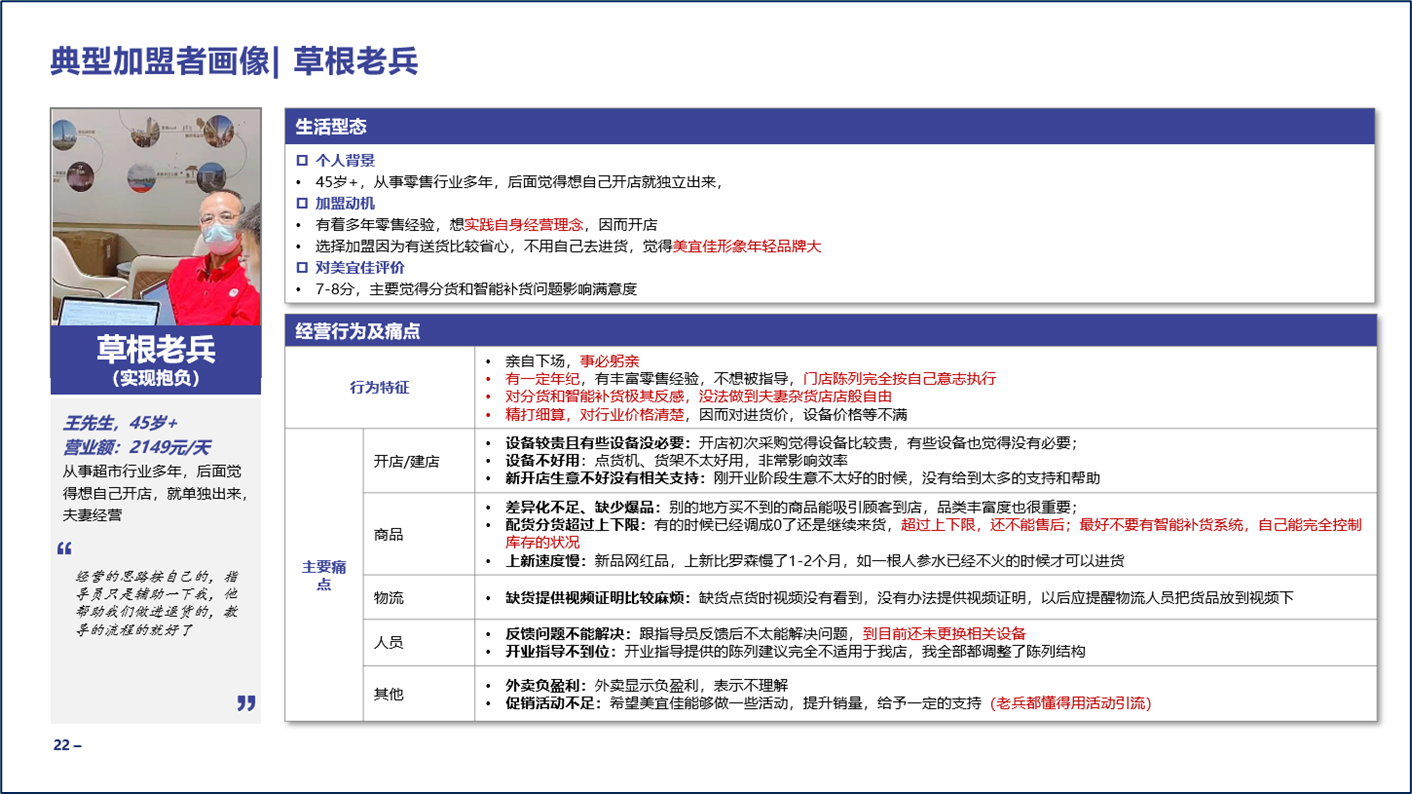
By building a two-dimensional model of "asset power x industry experience", we have broken down the association into six categories of typical portraits and developed differentiated service strategies for different types:
- Rich groups(14 per cent): high risk resistance but high demand for respect, recommended high-level dialogue corridors
- Median population(23 per cent): Large but trust-dependent, need to strengthen the professional capacity of supervisors
- Grassroots groups(63 per cent: weak risk tolerance, careful selection and enhanced training)
Second, focus on the pain, focus on the breakthrough.
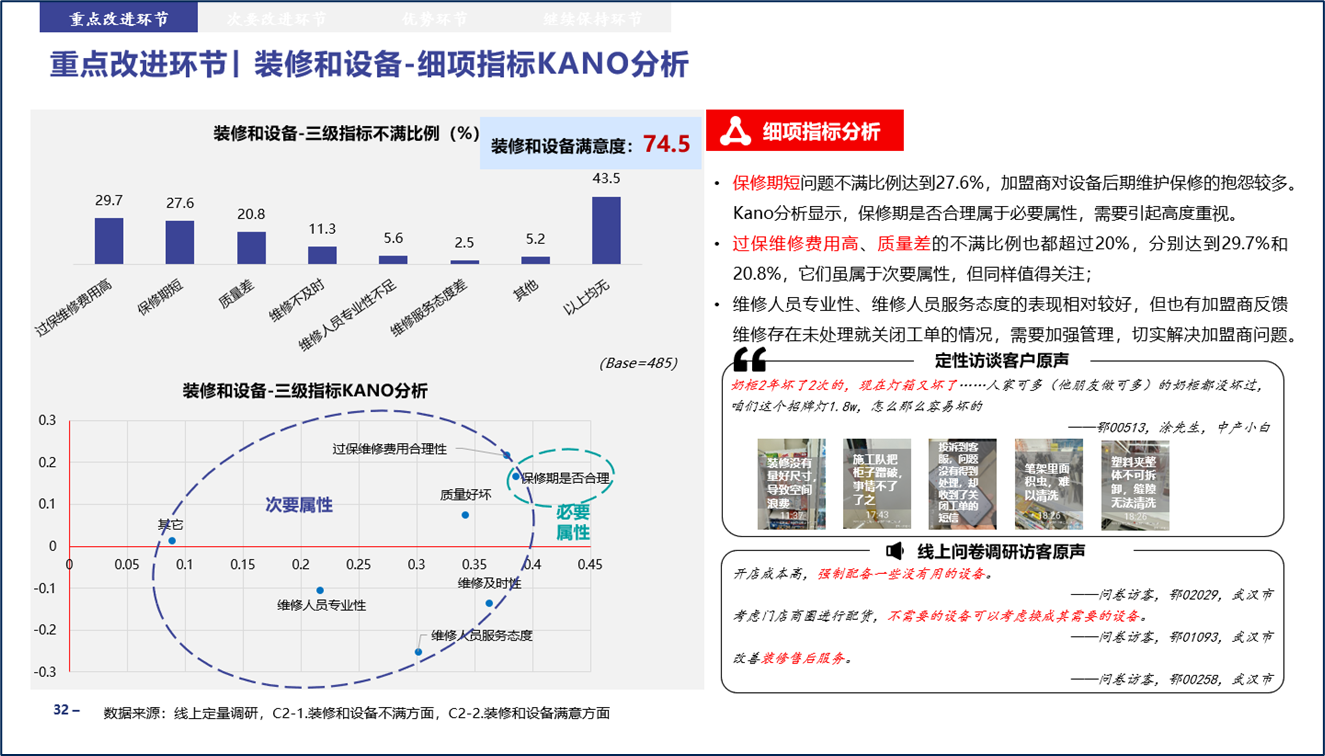
Based on KANO model analysis, we have identified five "necessary attributes" that need to be improved:
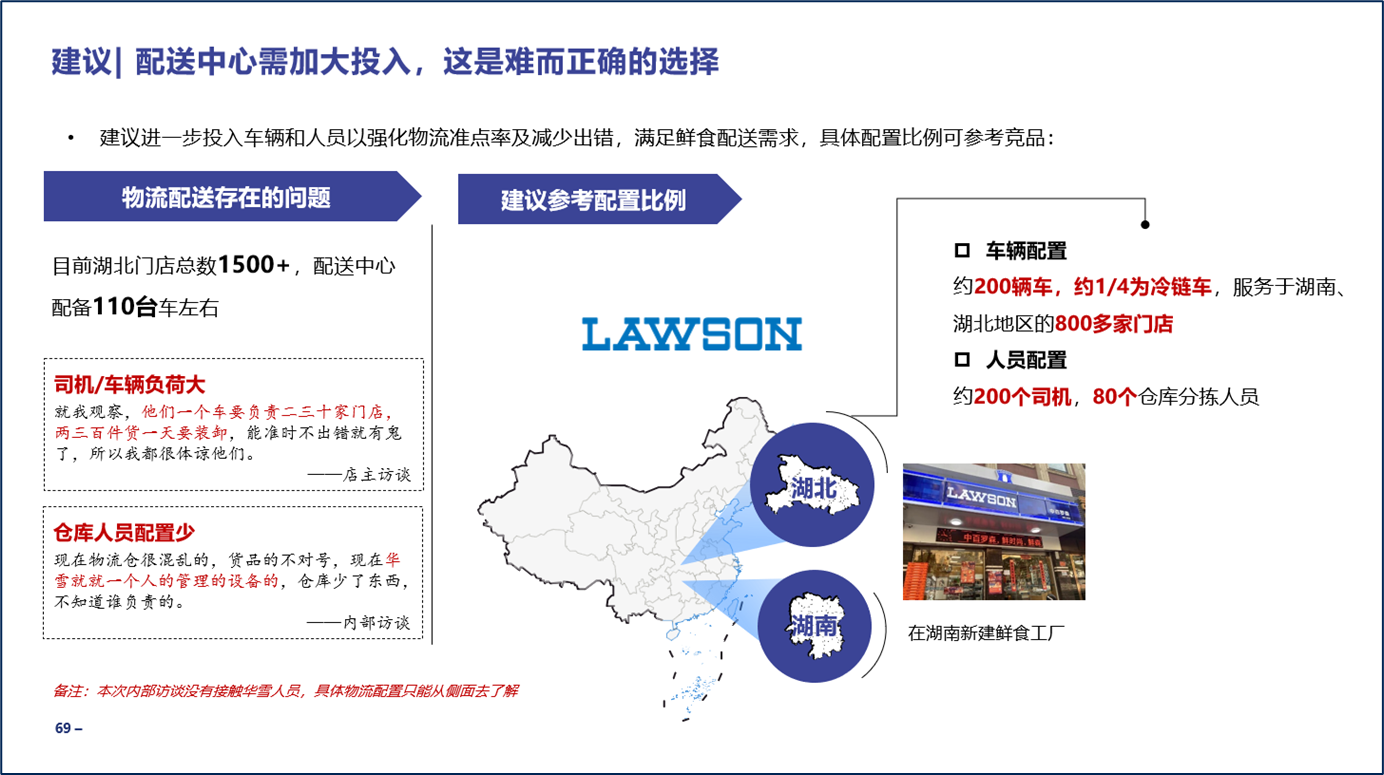
- Logistics distribution: Proposed increase in the number of vehicles from 110 to 200 (including 50 cold-chain vehicles) and a significant increase in the selection of personnel from the existing base, based on the Rosen Standard
- Commodity management• Proposal to establish a "73-deficit" mechanism for 61 per cent of cases reflecting high prices and 46.4 per cent dissatisfaction with compulsory distribution (branders bear 70 per cent of the loss)
- Marketing activities48.3 per cent complained of low Māori and recommended optimizing activity commodity mix and subsidy mechanisms
- System stability• Creation of a task force to address 41.4 per cent of feedback on the Cardon issue
- Equipment warranty: For 27.6 per cent reflecting the short warranty period, it is proposed to extend the warranty period for critical equipment
Third paragraph: competition, strategic upgrading
Through in-depth interviews with Rosen, a competitive expert, we found that:
- Logistics inputsRoxen has 200 vehicles, 80 sorters at 800 stores in Hubei/Hunan
- Outreach: Rosen links the outreach staff bonus to the sales of the shop (xx), while Miyiga focuses on the number of shop openings.
- Fresh food advantage: Rosen achieves daily co-opting by building his own fresh food plants, which is difficult to develop because of logistical constraints
It is suggested that Meiyijia should carry out strategic upgrades in three key areas while maintaining its core advantage of "franchise empowerment": heavy investment in logistics, expansion assessment optimization and fresh food supply chain construction