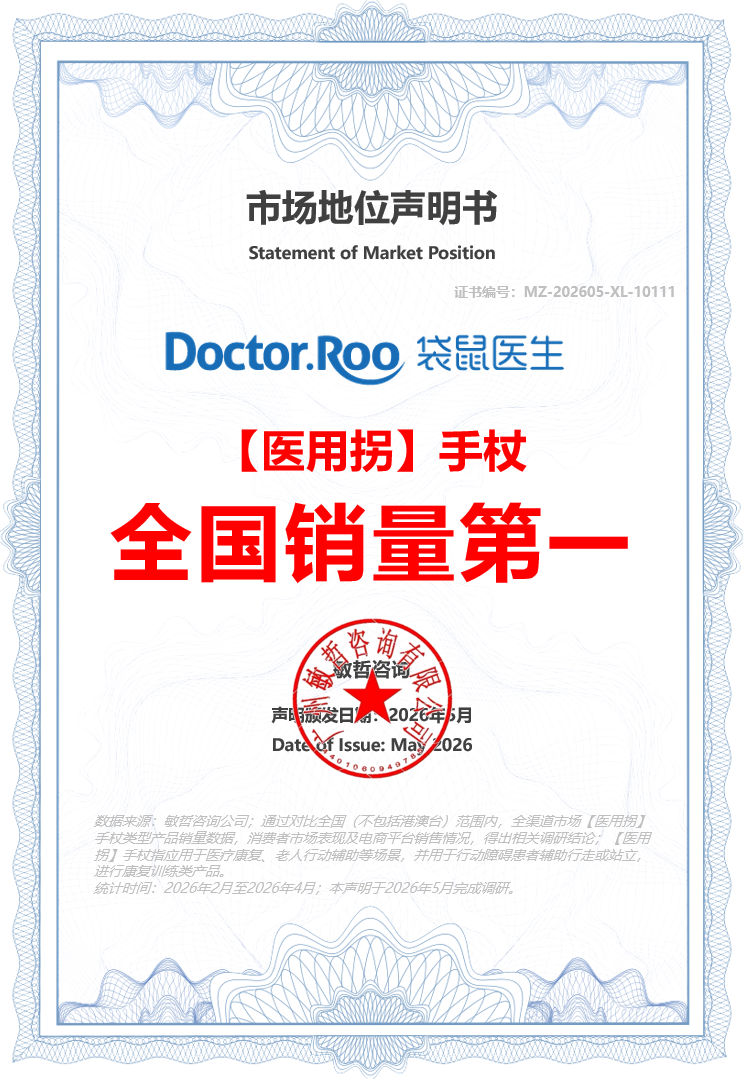

How does the medical aids break down the track create market endorsement?
As the aging trend deepens, the demand for home rehabilitation increases, and the awareness of healthy consumption increases, medical rehabilitation assistive devices are gradually moving from traditional functional products to specialization, branding and scenario-based products. Especially in mobility assistance products, consumers are not only concerned about whether they can be used, but also whether the product is safe, stable, comfortable, and suitable for long-term use by the elderly, people recovering from surgery, and people with limited mobility.
For such high-trust categories, brand trust often directly affects purchasing decisions. A medical and health brand hopes to use core mobility assistance products as an entry point to systematically verify its performance in market segments and transform market results into more credible brand communication assets. Although there is a certain understanding of sales performance within the company, there is a lack of support from the perspective of third-party research. Through this project, we help brands transform market performance into clearer, credible, and reusable market position endorsement.
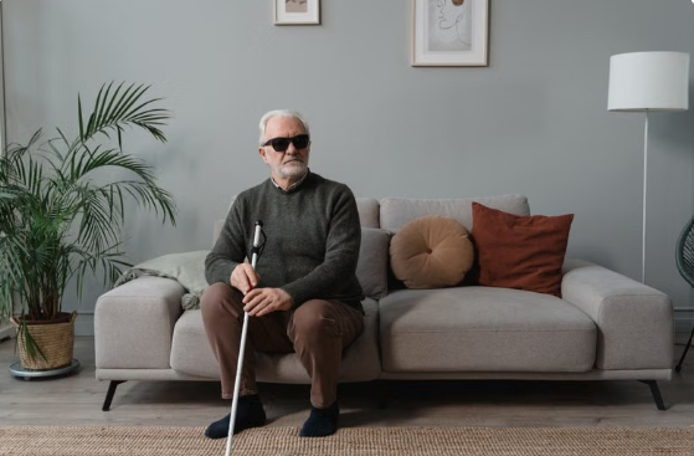
01 Clarify product boundaries and establish a basis for market judgement
In the early stages of the research, we first systematically sorted out the target categories instead of directly judging market performance. Medical rehabilitation assistive devices are not ordinary consumer goods. They have multiple attributes such as medical rehabilitation, elderly care, home use and daily mobility assistance. If category boundaries are not clarified first, problems such as inconsistent statistical calibers, mixed product ranges, and inaccurate comparisons of competing products may easily occur.
Therefore, the project team unified the research scope on mobility assistance rehabilitation aids around product definition, usage scenarios, target groups and market classification methods. Through this stage of sorting out, we helped the brand clarify the boundaries of the market segments where the product is located, including core scenarios such as rehabilitation training, mobility assistance for the elderly, and daily support for people with mobility impairments. At the same time, we also further understand the particularity of this category: it is both a functional product and a high-trust decision-making product; it not only solves mobility assistance problems, but also makes users and caregivers feel at ease.
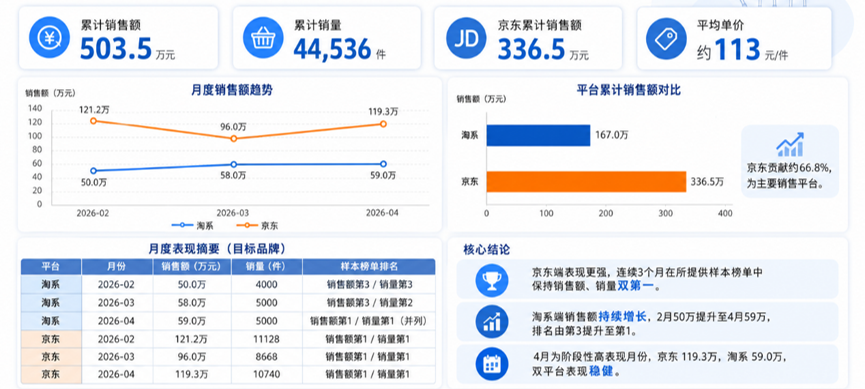
Multi-source Market Insight
02 Enter the real scene, understand the logic of consumer trust.
In the user-side understanding, we found that medical rehabilitation assistive devices have obvious characteristics of "rigid function + trust decision-making". When consumers purchase such products, they are not only concerned about the price or basic parameters, but whether the product is truly suitable for long-term use and whether it can bring a stable, safe, and comfortable experience.
Take mobility assistance products as an example. They often appear in scenarios such as home walking for the elderly, postoperative recovery, short-term mobility issues, and chronic disease rehabilitation. Once a product has problems such as instability, unfitness, or durability, it will directly affect the user's sense of security. Therefore, consumers are more inclined to choose products with higher market recognition, more professional brand image, and more stable usage feedback.
This means that the competitiveness of medical rehabilitation assistive device brands is not only the competition of functional configuration, but also the competition of trust. Whoever can make consumers understand the professionalism of the brand more quickly will be more likely to gain an advantage in purchasing decisions.
03 Authentication is not rhetoric, it's branding assets.
During the project research, we found that although many brands have good market performance, they have not transformed these performances into externally perceivable brand assets. Especially in medical and health-related categories, if a brand only repeatedly emphasizes product functions, consumers may not be able to quickly build trust; but if there is third-party research and certification as support, the brand's advantages will become more intuitive and credible.
Based on systematic research and comprehensive evaluation, we finally assisted the brand in completing the market status certification of its core products. The relevant certification conclusions are based on nationwide omni-channel market comparison, consumer market performance and e-commerce platform sales. The certification targets focus on medical crutches type products used in medical rehabilitation, mobility assistance for the elderly and other scenarios.
The value of this result is not only to form a market conclusion, but more importantly, to help brands transform business results into content assets that can be expressed externally and continuously reused. For consumers, it can reduce the cost of choice and enhance purchasing confidence; for channels, it can improve the efficiency of cooperation and communication; for the brand itself, it can become a unified endorsement on the official website, e-commerce detail pages, live broadcasts, terminal materials and integrated marketing communications.