

How can new energy projects balance risks and benefits in the context of the "two carbon" scenario?
Project background
In response to the national "dual carbon" strategy, China Renaissance Investment Group has teamed up with the Guangdong Guangdong-Hong Kong-Macao Greater Bay Area National Nanotechnology Innovation Institute (Guangna Institute) and the University of Science and Technology Beijing team to jointly promote the Beibu Gulf refining and chemical integration project. This project is Asia's first large-scale refining and chemical project integrating green electricity and green hydrogen. It uses renewable energy electrolysis water technology to replace traditional fossil energy hydrogen production, helping Qinzhou Petrochemical Industrial Park achieve the "zero carbon" goal. The total investment of the project exceeds 240 billion yuan, integrating photovoltaic, wind power and advanced hydrogen production technologies, aiming to solve the problem of dependence on the import of high-end chemical materials and enhance the low-carbon competitiveness of the industrial chain.
Core challenges
- Technical feasibility:Can scale and steady production be achieved?
- Economic feasibility:Can the costs of green hydrogen compete with traditional hydrogen production?
- Market feasibility:Is downstream demand determined?
Solutions
- Technical feasibility analysis:: Comparative analysis of the technical route and core data of the 19 winning projects in the country (Pyre Hydrogen Energy, Lungi Hydrogen Energy, etc.) to assess the technical reliability of the project team
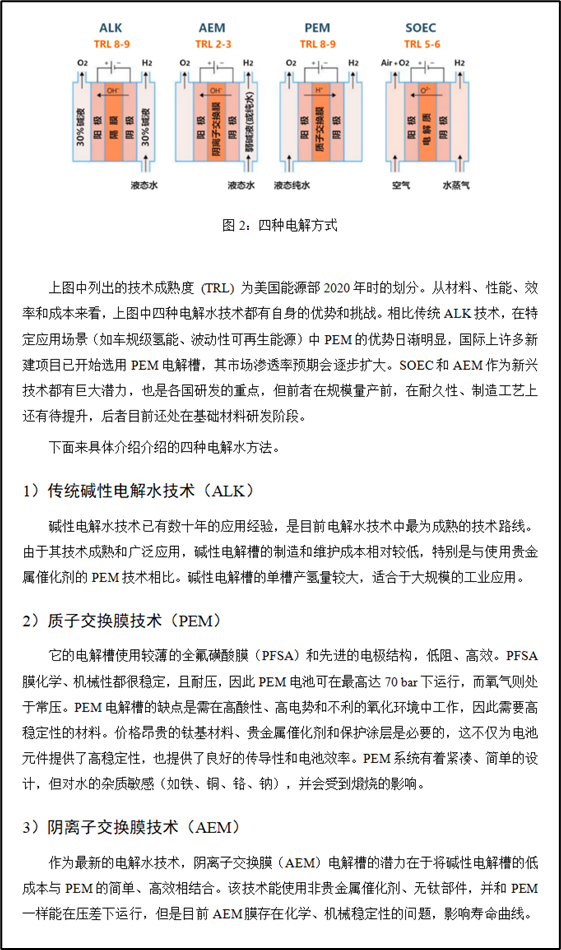
(Technology route description)
- Economic feasibility measurementBased on the industry cost-benefit model and the project core indicators, the return on the post-partum benefits of the project is measured in conjunction with local visit studies (electricity, land prices, etc.).
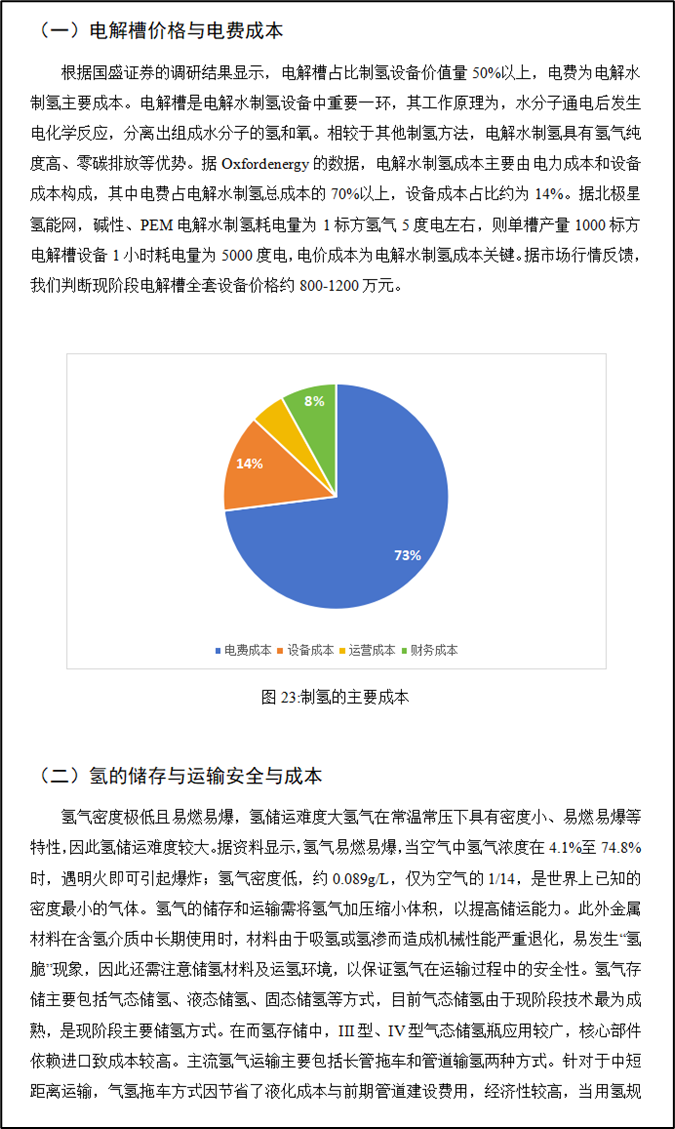
(cost analysis)
- Market feasibility demonstration• In-depth interviews with upstream and downstream industry and target business clients to assess the market size and growth of project core products.
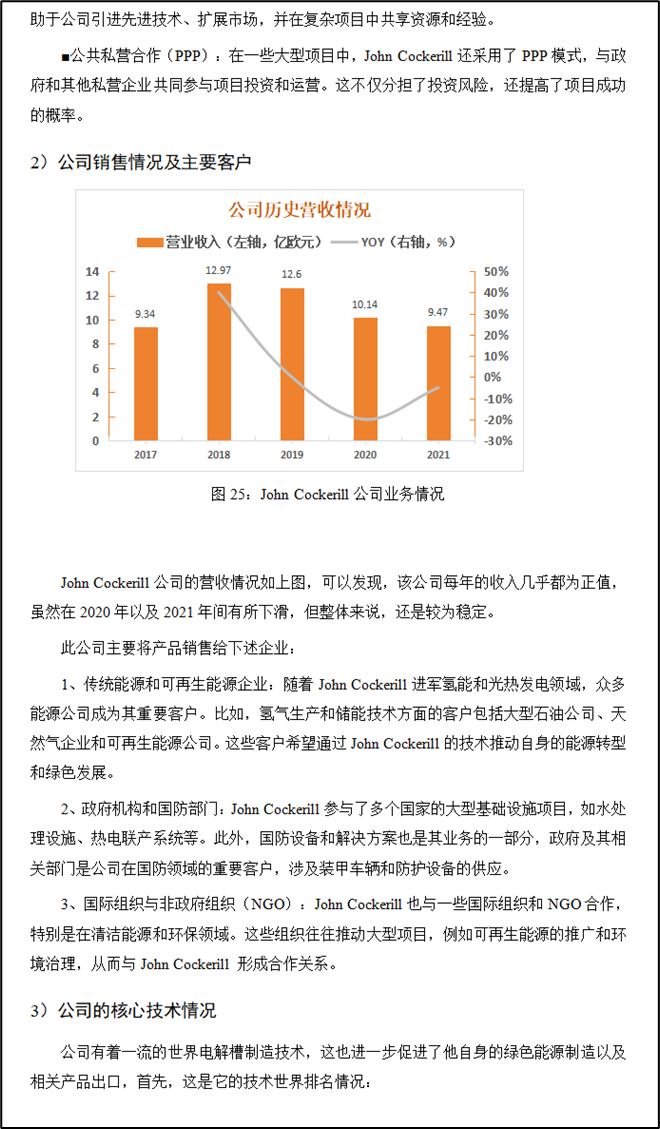
(Analysis of profitability patterns of target enterprises)
Results outlook
After the project is put into operation, the annual CO₂ emission reduction will exceed 5 million tons, and the investment payback period is only 7.94 years. It not only verifies the commercialization potential of green hydrogen in the heavy industry field, but also promotes the integration of China's hydrogen energy technology with international standards. In the future, it will be expanded to shipping, steel and other scenarios to accelerate the global green energy transformation.
